
Santa Barbara Short Term Rental Alliance

Santa Barbara Short Term Rental Alliance (SBSTRA) is a local coalition of homeowners, hosts, property managers, and community stakeholders who support flexible home rentals in Santa Barbara. SBSTRA works to educate policymakers and the public about the benefits of short-term rentals, advocate for fair and balanced regulations, and ensure that residents have the ability to responsibly rent their homes while supporting tourism, local businesses, and the regional economy. The alliance also provides a collective voice for local hosts in policy discussions and promotes solutions that protect neighborhoods, property rights, and coastal access.
Planning staff recently presented ordinance concepts that would restrict whole home STRs in most residential areas, while coastal zones would broadly permit "home shares" where the resident is present. Framing policy around “home share” definitions is problematic because it creates artificial distinctions between responsible hosting activity, proves difficult to enforce consistently, and can unintentionally exclude homeowners who rely on occasional whole home rentals for financial stability.
Other proposals under discussion include not allowing homestays at all in residential zones and requiring Conditional Use Permits instead of ministerial approvals for STRs in the proposed zones. This would move policy in a more restrictive direction. These approaches risk increasing costs, uncertainty, and administrative barriers for residents trying to host responsibly while doing little to address underlying enforcement challenges.
The California Coastal Commission has historically been concerned with policies that reduce visitor serving accommodations or limit coastal access by restricting overnight lodging options. Because short term rentals are often treated as part of the coastal visitor accommodation supply, policies that function as de facto bans, impose excessive permitting barriers, or materially reduce existing short term rental inventory can raise Coastal Act consistency concerns.
On March 5th, the Santa Barbara Planning Commission voted 4–2 to advance a proposed short-term rental ordinance that would dramatically restrict vacation rentals across the city and rely primarily on limited “homestays” as the remaining form of visitor lodging in the coastal zone.
During the nearly four-hour hearing, all commissioners raised a number of unanswered questions about the proposal, including but not limited to:
How many short-term rentals actually operate in Santa Barbara
How many homes would realistically qualify under the new restrictions
What impact the ordinance would have on Transient Occupancy Tax (TOT) revenue
Whether alternatives such as permit caps or lotteries should be considered
Whether the ordinance complies with the California Coastal Act
Despite these unresolved issues, the ordinance was still advanced after the Santa Barbara’s City Attorney, warned commissioners that delaying the decision could “drastically push back the deadline.”
The proposal now moves forward amid growing concerns that the ordinance could eliminate most existing short-term rentals, reduce affordable visitor lodging options, and conflict with the Coastal Act’s requirement to protect and encourage lower-cost coastal accommodations.
❋ What’s Happening
❋ Current Proposal Could Eliminate Most Coastal Visitor Lodging
The City should focus on actual facts, not just perceptions. Without data driven context, it is easy to overstate the scale of the issue or design regulations that do not match real conditions on the ground. A clear baseline of information helps policymakers understand whether STR activity is widespread or limited, whether existing rules are working, and where enforcement resources should be focused.
The percentage of housing used for STRs
In the City of Santa Barbara less than .67% of housing stock is penetrated by short term rentals. Understanding what share of the city’s total housing inventory is used as short term rentals is critical for proportional policymaking. In many communities, STRs represent a very small percentage of total housing units, particularly when compared to vacancy rates, second homes, or long term rental turnover. Looking at this percentage over time can also show whether STR activity is growing, stable, or declining, which helps determine whether new restrictions are necessary or whether existing regulations are sufficient.
Housing supply growth is constrained by many factors, but the most prominent are growth controls and the regulation of new housing supply. Growth controls come in many forms, including zoning policies, urban growth boundaries, affordable housing policies, development fees, new unit limitations per year, and other land use policies.
How Many Complaints Lead to Violations?
Complaint data should be evaluated alongside enforcement outcomes. Not all complaints reflect confirmed violations, and many may involve issues unrelated to STR operations. Tracking how many complaints result in verified violations, citations, or permit revocations helps distinguish between perception and documented compliance issues. This information can reveal whether problems are concentrated among a small number of operators or are broadly distributed, which in turn supports more targeted and effective enforcement strategies rather than sweeping regulatory changes.
Independent market analysis submitted during the process shows that STRs currently represent the majority of overnight visitor capacity in Santa Barbara’s Coastal Zone.
STRs account for 67% of total room inventory
They provide approximately 68% of total overnight visitor capacity
Hotels provide the remaining 32% of capacity
In practical terms, eliminating most STRs would reduce the Coastal Zone’s estimated overnight capacity from about 15,600 visitors to roughly 5,000—a 68% reduction in available lodging. With Santa Barbara hotels already operating near capacity, there is little evidence the remaining supply could absorb this demand.
❋ Unanswered Myths
Responsible STR operators aren’t asking for a free pass — we’re asking for fair, enforceable rules that protect neighborhoods while allowing STRs to function as they do in practice.
❋ What Good Policy Should Do?

Why STRs Are Good For Santa Barbara
-
STRs provide flexible supplemental income that helps local homeowners:
Afford mortgages, property taxes, insurance, and rising maintenance costs
Remain in their homes long-term
Age in place with financial stability
Offset periods of temporary relocation or travel
For many residents, STR income is the difference between keeping their home and being forced to sell.
-
Santa Barbara’s coast belongs to everyone. Short-term rentals expand access to overnight accommodations for visitors who might otherwise be priced out of staying here. By increasing the range of lodging options beyond traditional hotels, STRs help ensure broader public access to our coastal community.
-
Short-term rentals allow families and groups to stay under one roof in multi-bedroom homes rather than splitting up across multiple hotel rooms or properties.
This is often more affordable — and more practical — for:
Extended families
Parents traveling with children
Multi-generational groups
Friends attending weddings, graduations, or community events
Independent data comparing STR and hotel rates in Santa Barbara shows that STRs frequently provide lower-cost options for larger groups.
-
Independent data comparing STR and hotel rates in Santa Barbara shows that STRs frequently offer lower-cost options — particularly for multi-bedroom stays.
For working families, extended stays, and longer visits, STRs provide an affordable alternative to traditional lodging.
-
STRs also serve vital temporary housing functions for:
Traveling nurses, professors, and temporary workers
Families relocating for employment
Executive housing
Insurance displacement or home remodel stays
Individuals traveling for medical care
These flexible needs are not easily met by hotels or long-term leases. These guests contribute to the local economy while supporting key industries in the region.
Local Leads

Theo Kracke is a 45-year resident of Santa Barbara and earned his Honors degree in Business Economics from UCSB in 1985. In 2007, Theo and his wife Becky founded Paradise Retreats, a world-class vacation rental company that quickly became Santa Barbara’s leading Short-Term Rental (STR) management firm. Managing more than 130 vacation homes, they built their reputation on exceptional service to both guests and property owners—while remaining deeply committed to protecting neighbors’ rights to the quiet enjoyment of their homes.
In 2019, Theo made headlines when he prevailed in Kracke v. City of Santa Barbara, successfully challenging the City’s prohibition of STRs in the Coastal Zone. He also successfully defended the ruling through the City’s appeal and its attempt to seek review by the California Supreme Court.
Prior to the lawsuit, Theo founded Save the Rentals Santa Barbara, an advocacy organization dedicated to informing the public and local decision-makers with factual data about the real impacts of short-term rentals on communities. The group also promoted fair, balanced regulation—ensuring that the benefits of STRs are realized while minimizing or eliminating negative community impacts. As one of the leaders of the Santa Barbara Short Term Rental Alliance, Theo brings decades of local experience, business leadership, and proven effectiveness to help guide the adoption of reasonable, responsible STR policies for the City of Santa Barbara.
Theo Kracke

Tiffany Haller is a Santa Barbara–based real estate broker and owner of Haller Coastal Homes, a local, family-owned vacation rental management company. She founded the Santa Barbara Short Term Rental Alliance (SBSTRA) in 2017 and has been a leading advocate for fair regulations that balance neighborhood preservation with the rights of property owners.
With more than two decades of experience as both a coastal property owner and vacation rental manager, Tiffany has helped organize stakeholders, support legal efforts, and work toward the reissuance of business licenses following Santa Barbara’s 2016 STR cancellations. She has been a regular voice at City Council and Planning Commission meetings and previously served on the Government Relations Committee for the Santa Barbara Association of Realtors.
Tiffany also owns property in Hawaii, where she was involved in legislative advocacy during major STR reforms under Bill 41. She supports thoughtful policies that protect neighborhood quality of life while preserving visitor-serving accommodations consistent with the California Coastal Act.
Tiffany Haller

Born and raised in California, Sheri is a well-known community activist and leader among short-term rental hosts in Santa Barbara and Ventura Counties. A 10-year Airbnb Superhost, she has been a vocal advocate for responsible home sharing and the role it plays in helping homeowners make ends meet.
Sheri believes that renting out homes to travelers has been a longstanding practice, and that modern platforms simply provide a new way for hosts to participate in that tradition. She has worked to elevate the voices of responsible hosts, including helping defeat state legislation such as SB 584 and contributing opinion pieces to publications including Capitol Weekly, the Sacramento Bee, and the Santa Barbara Independent.
Sheri has also addressed the California Coastal Commission, advocating for balanced policies that reduce the stigma around home sharing while protecting coastal access and local communities. Her goal is to bring hosts, residents, and local governments together to build practical solutions and foster constructive, long-term partnerships.
Sheri Cecil

Hans Hormann is the Principal and Broker of SunnyDays Vacation Rentals, a vacation rental management company serving Ventura County, Santa Barbara County, and surrounding coastal communities. Alongside his wife, Liana, Hans leads a locally owned team that manages dozens of short-term rental properties while maintaining a hands-on approach with both homeowners and guests.
As both a property manager and vacation rental owner himself, Hans brings a practical, owner-focused perspective to the industry. His experience spans operations, revenue strategy, regulatory compliance, and community engagement—giving him a well-rounded understanding of the challenges and opportunities facing short-term rental owners.
Hans is actively involved in local policy discussions surrounding short-term rental regulations and frequently engages with city officials and community stakeholders to advocate for balanced policies that support responsible home sharing while protecting local economies and property rights.
Through his work with CalSTR, Hans is committed to strengthening the voice of short-term rental owners across California by promoting education, collaboration, and thoughtful advocacy.
Hans Hormann
Join SBSTRA!

The City of Santa Barbara should remove homesharing language and instead include primary residence language, allowing reasonable cap exemptions for primary residence STRs, which would support residents who host responsibly in their own homes while still addressing concerns about investor owned properties. The San Diego Short Term Rental Ordinance is a model example.
Take Action
Santa Barbara’s short-term rental policy is being shaped right now — and your voice matters.
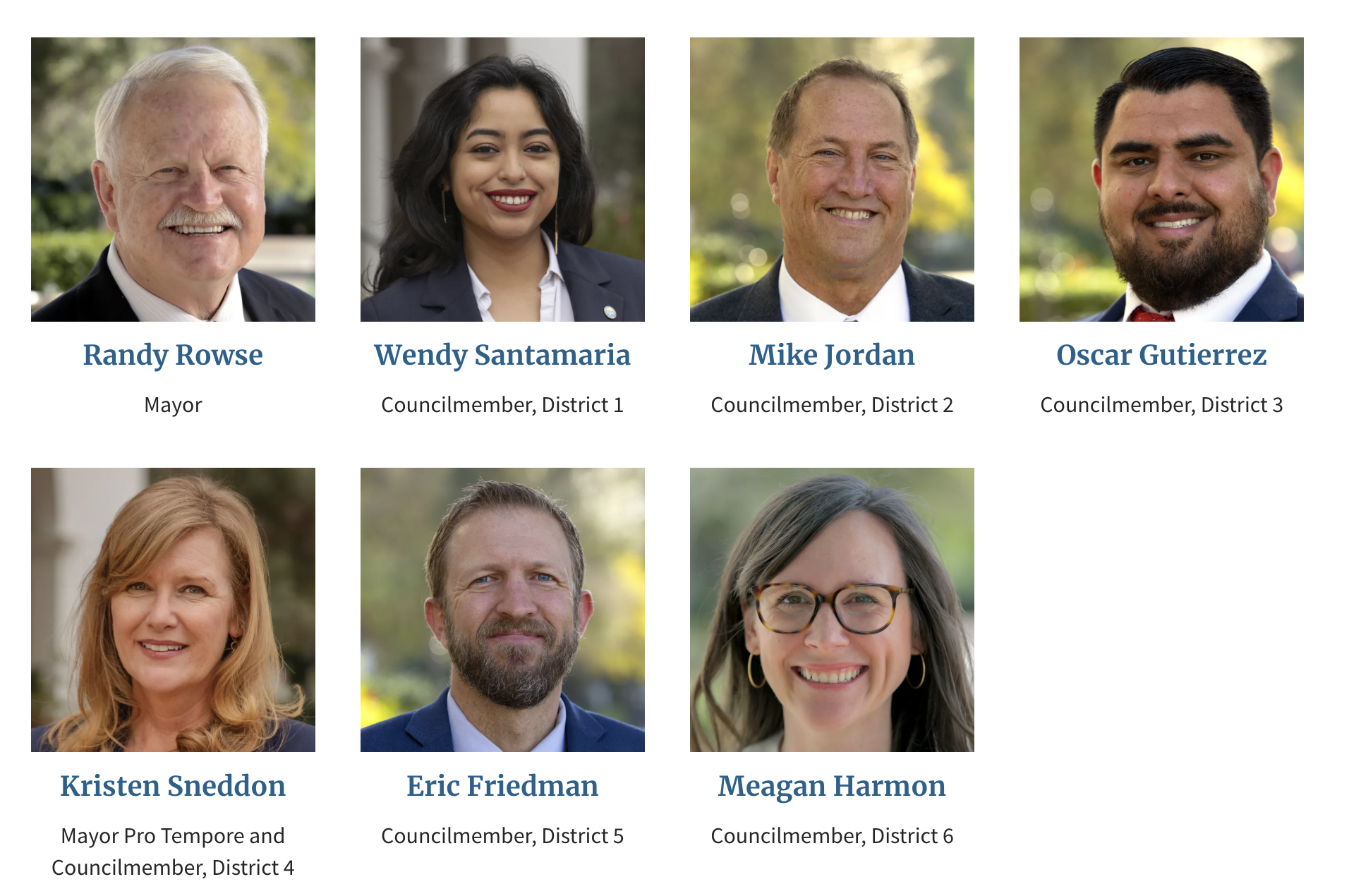
If you support fair, balanced rules that protect neighborhoods while preserving coastal access, affordable lodging, and local homeowner flexibility, we encourage you to contact your City Councilmembers today.
Ask them to:
Support responsible, locally managed STRs
Base policy decisions on data and transparency
Protect coastal access and affordable visitor accommodations
Adopt fair, enforceable regulations that distinguish good operators from bad actors
A thoughtful, balanced approach will benefit residents, visitors, and the broader Santa Barbara community.